
Brand Voice vs Tone: The Difference and Examples (2026)

Brand voice is the stable way a company sounds in public, the pattern a reader should still recognize after the logo disappears. Tone changes when the situation changes, energetic for a launch, reassuring for a support reply, while the voice underneath stays the same. That is the working distinction. AI has turned this from a […]
Instagram Carousel Size (2026): Dimensions and Ratios

The safest default Instagram carousel size in 2026 is 1080×1350 px at 4:5 when the post is built for organic feed attention. Switch to 1080×1080 px at 1:1 only when reuse across paid placements or other channels matters more than feed height. Every slide must sit in the same frame, because the first slide locks […]
Instagram profile picture size (2026): Pixels, ratio, safe crop

The safest Instagram profile picture size is 320×320 px in a 1:1 square, since the platform masks the visible avatar into a circle and logos need to sit inside a central 60% to 65% working zone. Keep a 1080×1080 master only as an editable source before export. Most small teams break the profile photo after […]
Instagram Giveaway Picker: How to Pick Winners Fairly
An Instagram giveaway picker is fair when the rules are written and posted before the draw, and the winner is pulled from an entrant list that already had duplicates and rule-breakers removed. The compliance burden stays with the brand, not the tool, so saved proof of the draw matters as much as the random result. […]
Schedule LinkedIn Posts (2026): 3 Workflows That Work

Yes, LinkedIn lets you schedule posts natively in 2026 on personal profiles and on Pages. Personal posts can sit in the queue from 10 minutes to 3 months ahead, while Page posts need at least 1 hour of runway and also top out at 3 months. The sharper question now is which path fails least […]
Social Media Approval Workflow (2026): Simple SOPs

A social media approval workflow is a fixed pre-publish sequence with named approvers, defined exit criteria, and a turnaround window. Sprout Social’s practical example sets sign-off within 24 to 48 hours of submission, with one decision owner per stage carrying the weight that vague communication usually fails to carry. Sprout’s 2025 Content Benchmarks Report analyzed […]
Social Media Planner Template (2026): The One-Page Weekly Planner I’d Actually Use

A social media planner template should do one job well: force the decisions that make posting useful, not random. The best version fits on one page, sets a weekly rhythm, and moves you from vague ideas to publishable posts in under 10 minutes. Most teams do not need a bigger dashboard. They need a tighter […]
Comment Picker: What It Is and When to Use One
A comment picker is a third-party tool that pulls every comment from a post URL and selects a random winner, filling a gap Instagram, Facebook, and YouTube leave open. Treat it as a four-step workflow, rules, collection, random draw, documented proof, not a single button click. Giveaway posts average 3.58% engagement against 1.22% for normal […]
Twitter Analytics: How to Read X Metrics That Matter

The four metric clusters are audience, engagement, reach, and conversion. Teams seeing engagement decline and data overload should use this compact cluster model to simplify measurement and decision making, and to restore signal-to-noise. Key takeaways are the four metric stack, drop vanity metrics, adopt a weekly cadence, and anchor performance to benchmarks. What the four […]
Link in Bio Analytics (2026): What to Track and How to Fix Leaks
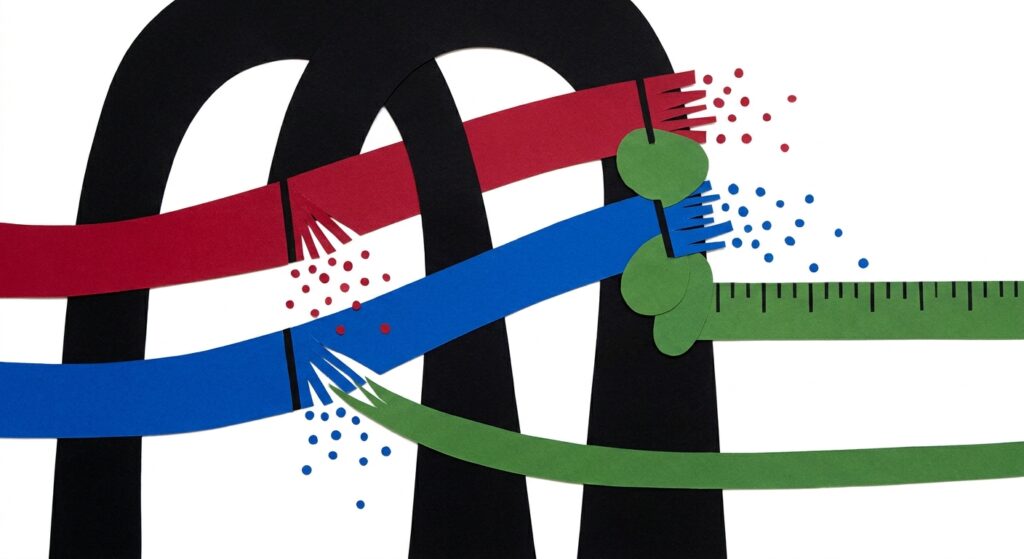
Link in bio analytics only earns its keep when you stop counting taps and start tracking four numbers that map to revenue: profile-link CTR, bio-page CTR, click-to-lead, and click-to-sale. Average bio pages convert at 2–5%, optimized ones hit 15–25%, and most small teams sit closer to the floor because UTMs break somewhere in the redirect […]